Biohazard Cleanup for Apartments and Houses
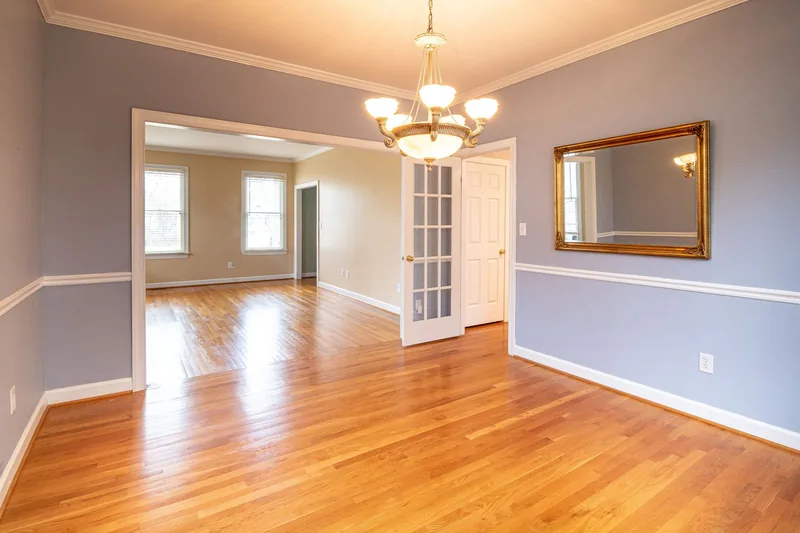
Houses, two-flats, condominiums and high-rise units can receive blood, crime, death, sewage cleanup and hoarding cleanup.
Learn moreYou can call for calm, discreet biohazard cleanup at homes, rentals, businesses and vehicles in St. Rose.
Local housing, population and access details can shape containment, access and cleanup planning.
Only 24.4% of homes in St. Rose are renter occupied, so many cleanup decisions may rest directly with resident owners.
Because the median home dates to 1988, cleanup plans should distinguish washable surfaces from absorbent carpet, padding, and wallboard.
A 15.5% share living alone still matters because delayed discovery can increase odor movement and the amount of affected material.
At 71.1% single-family housing, cleanup boundaries may include attached garages, utility rooms, or storage areas beyond the main room.
Biohazard cleanup safely removes and disinfects blood, tissue, bodily fluids and hazardous materials, then disposes of them following crime, death, accidents, hoarding or a sewage backup.
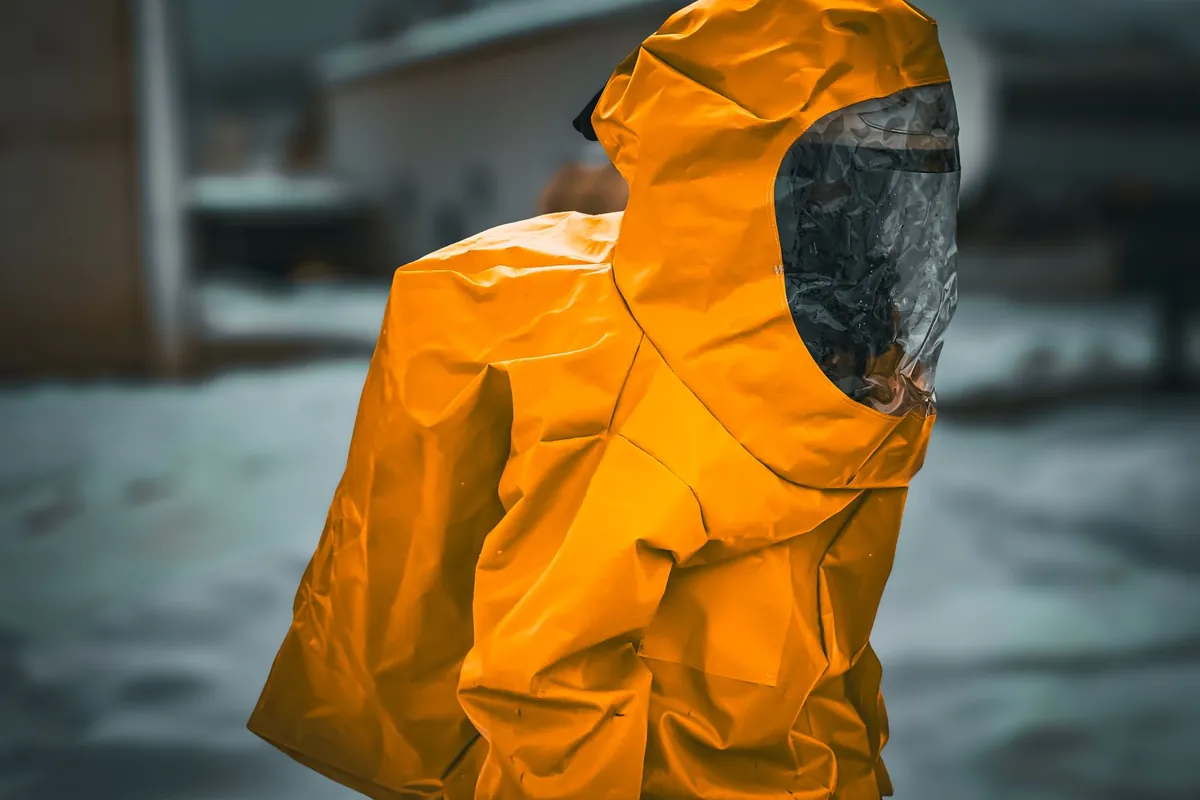
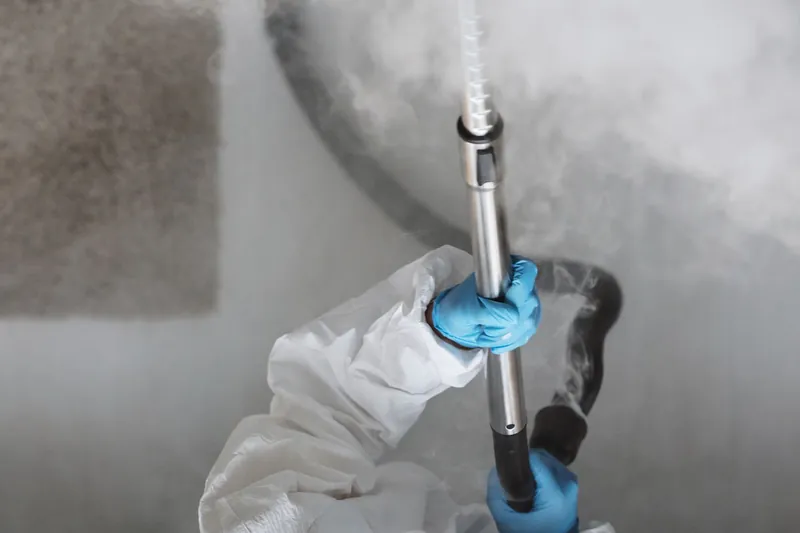
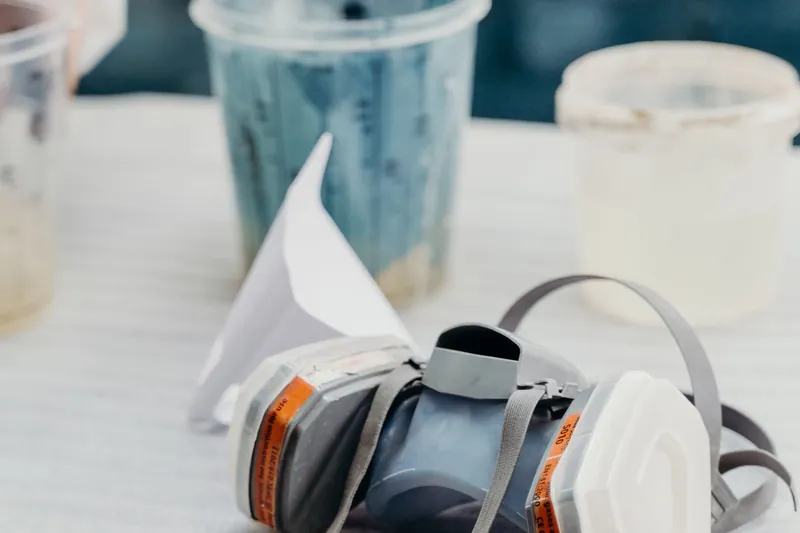
Other names include biohazard remediation, bio hazard cleaning, bio cleanup and trauma cleanup. Professional biohazard cleanup goes beyond ordinary deep cleaning. Using personal protective equipment, technicians trace every place contamination reached, remove porous items beyond disinfection, then restore affected areas to a livable condition.
After traumatic events in St. Rose, crime scene cleaning and other specialized cleaning can begin as soon as the property is released. Biohazard removal services across the surrounding areas include scene cleaning, hazardous waste disposal and fentanyl cleanup, with emergency response at any hour. Crime scene cleaners aim to restore safety while giving families respectful, compassionate service.
You and your family receive care during a difficult time, without judgment about neglect or hoarding. Documents, keepsakes and photographs are saved for you.
Day or night, emergency service calls are answered. Crews use unmarked vehicles to protect your privacy from neighbors and property staff.
Your insurance company, property owner or state victim program can receive the photos, waste paperwork and notes describing the scope.
You receive an explanation of the cleanup plan, every step involved and what can change the price ahead of any removal. You face neither pressure nor surprises.
Houses, two-flats, condominiums and high-rise units can receive blood, crime, death, sewage cleanup and hoarding cleanup.
Learn more
Commercial properties can arrange commercial biohazard cleanup around your operating hours following industrial accidents, exposures, injuries or break-ins.
Learn more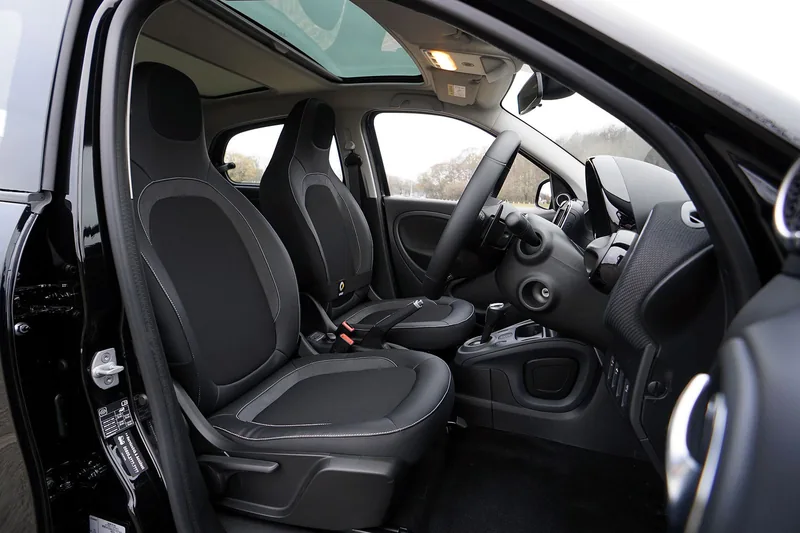
Vehicle biohazard cleanup for blood, bodily fluids and odor in seats, carpet and vents.
Learn more
Cleanup is completed promptly so the unit can return to rental use, and records are available for insurers and owners.
Learn moreFind the cleanup page suited to your circumstances. You can also call if you are not sure which service applies.
Few people encounter this more than once. Your health, claim and final cleanup cost are protected by the first actions you take.
Call (888) 440-9227Each job follows the same safe biohazard cleanup process, beginning with your call and ending with the final inspection.
Describe what occurred. Technicians examine and photograph the area, then confirm the work scope with you.
Plastic sheeting isolates the affected area and stops contaminants from reaching additional rooms.
When infectious materials enter porous items such as drywall, carpet or pad, those items are cut away and contained as medical waste, with nothing left behind.
Every surface is cleaned and treated with EPA-registered, hospital-grade disinfectant.
Treatment reaches the source of odors with hydroxyl, air scrubbers or ozone, followed by a check of the vents.
A permitted medical waste treatment facility receives the sealed material along with its tracking documents.
The space is inspected and, where appropriate, ATP tested to confirm a livable condition, and documentation and photos are prepared for your claim.
Rebuilding areas where drywall or floors were taken out can be done by your contractor or the insurer's vendor.
Published pricing guides list the typical residential biohazard cleanup range from $1,800 to $8,000. Minor blood jobs sometimes cost less than $1,000, while large work involving sewage, hoarding or decomposition may go beyond $20,000. The real price is set after the on-site assessment.
Often, yes. Many renters and homeowners policies cover biohazard cleanup after a sudden crime, death or sewage backup, with the deductible remaining your responsibility.
After a death, cleanup costs can often be paid by the estate. The responsibility usually falls to a family member or executor.
Coverage usually applies to sudden, accidental events. Insurance commonly excludes neglect over time and hoarding. Contact your insurer ahead of any cleanup.
The property manager or owner commonly coordinates and funds cleanup for a rented unit or common area.
Victims of violent crime can ask the Louisiana Crime Victims Reparations Board, supported by the Louisiana Commission on Law Enforcement, about crime scene cleanup. The program lists it among eligible expenses. Insurance is usually checked first.
Call any hour. A cleanup specialist can explain the next steps for your property.
One to three days is a common window for sewage-related symptoms to appear, but some infections need more time. Avoid contact and keep children and pets away.
Many homeowners and renters policies cover biohazard cleanup after a sudden event, minus the deductible. Insurance does not usually pay for ongoing neglect or hoarding.
Correct. Workers come in unmarked vehicles, stay quiet and do not share information with nearby residents or property staff.
According to pricing guides already published, most residential jobs range from $1,800 through $8,000. Small blood jobs may cost under $1,000, while large hoarding or decomposition projects can rise above $20,000.
Any biological substance capable of causing illness is a biohazard, including tissue, bodily fluids, blood, used needles, untreated sewage, human waste and animal waste.
Someone answers your call 24 hours a day, on weekends and holidays too.